
Why is it so hard to design services that meet our user’s needs?
Spoiler: it’s not because we don’t care.
In our most recent episode of the Bad Services podcast, we explore one of the most common barriers to delivering better services, the ever present issue of not knowing who our users are or what they need.
Not knowing who our users are or what they need is now so common in some organisations that we almost don’t notice anymore.
We expect our personas to be idealistic caricatures, user stories to be based on the things we want to deliver, or user journeys that are fantasies of best-case scenarios. Sometimes our organisation doesn’t even pretend it’s thinking about the needs of our users.
It’s tempting in these situations to think that the reason we got here is because somewhere deep down our organisation doesn’t care about the people we provide services to, but this is rarely the reason we produce services that don’t meet the needs of the people we’re building them for.
The most common reason why we might have services that don’t meet the needs of our users is simply that we dont know that this is the case. In organisations there is a disconnection between what we think about our services, and what our users actually experience in reality.
This is normal, we are not our users.
By definition, the more expert we become in our services and the more we scale, the less qualified we become to talk on behalf of our users (if we ever were)
If 6 Years of running the School of Good Services has taught me one thing, it’s that the problems we see clearly in the services of other organisations are a LOT harder to spot in our own.
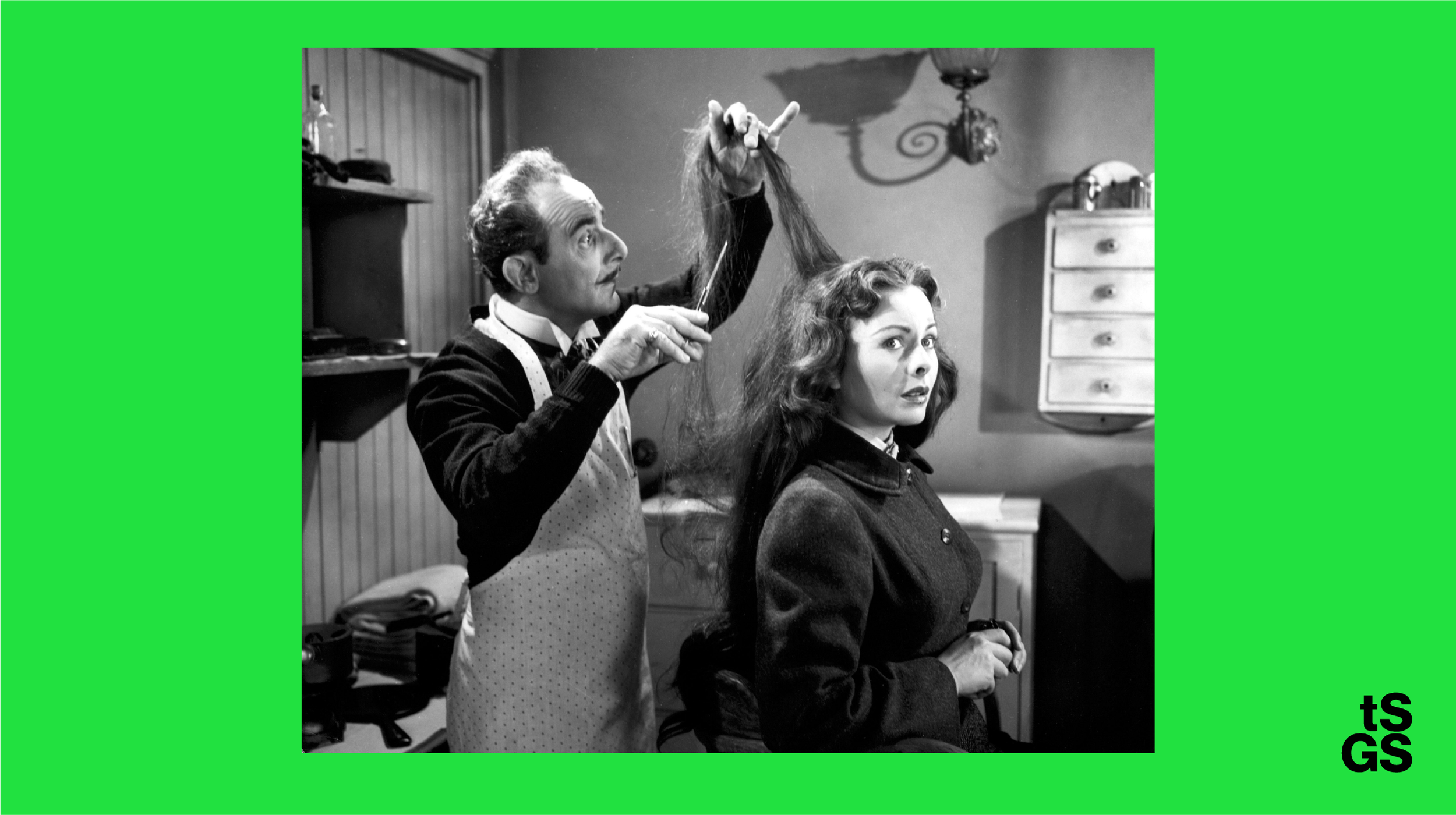
The saying that the hairdresser's hair is the worst (England), or ”Shoemakers are the worst-shoe” (France) or “The butcher doesn't inspect his own meat” (Netherlands) are common sayings for a reason. It's easier to spot fault in other people’s work than it is our own.
This explains why we have a disconnect, but it doesn't explain why we carry on that way when we do notice that there is an issue.
The bigger problem is that we experience this disconnection with our users in two directions. We don't see the impact of the decisions on our users, and in turn we don't see the connection that those experiences have on the problems we encounter as an organisation.
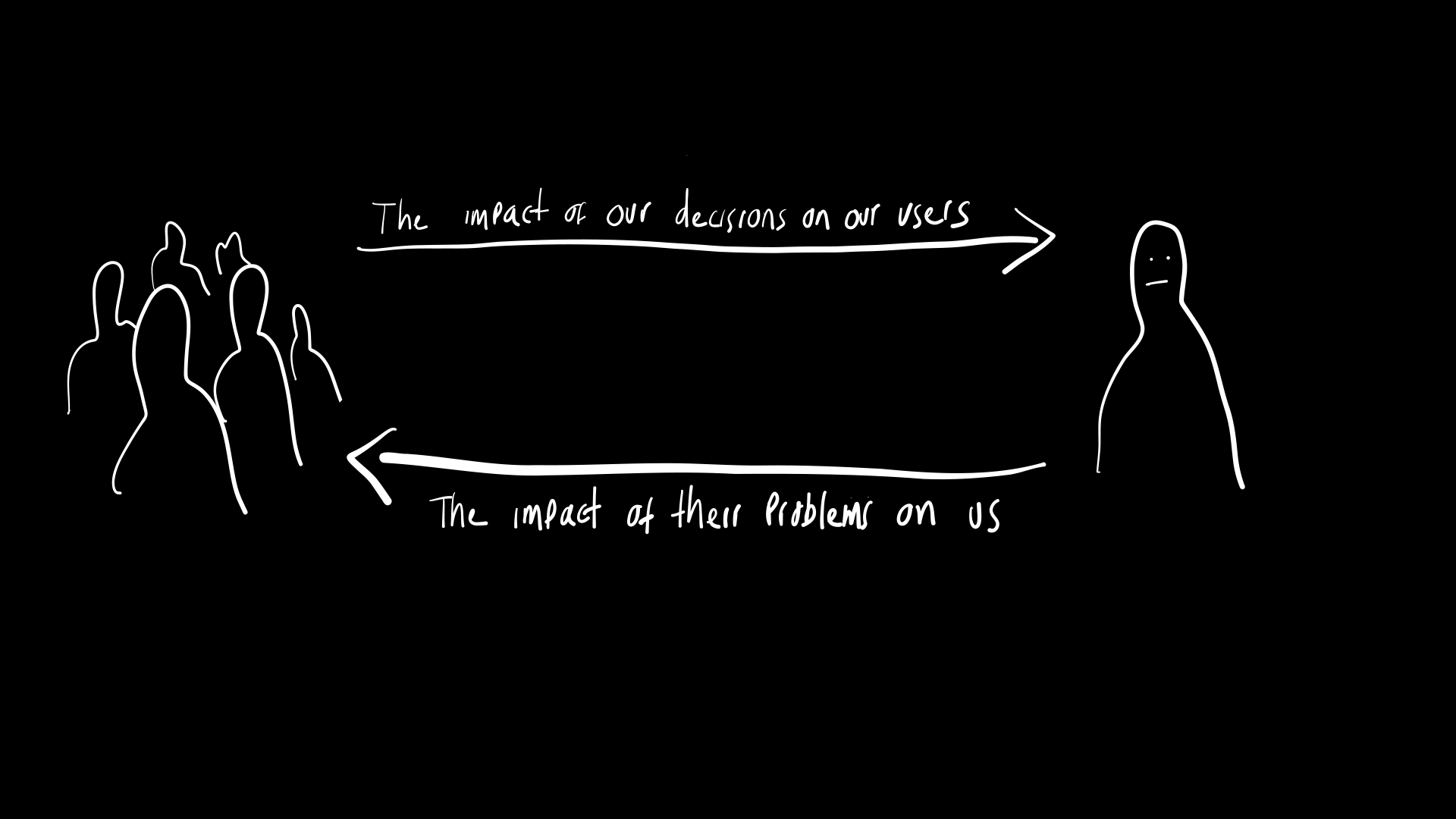
We see user contact, failure, increased costs and complexity and we attribute those problems to anything other than the fact that our services are not meeting user needs.
Those increased calls? Just lazy users looking for a quick answer (even though they've already tried online)
Those massive enforcement and late payment bills? Users not budgeting properly and ending up in arrears (not the fact that we didn't put them on the right plan in the first place, or issue clearly understandable bills…)
Or hey, maybe it’s a payment calculation error….
The list of things we chalk up to anything *other* bad service design is endless and the reason why we do this is complex.
Sometimes it's because we have services that our users have to use, so we think it’s not important to design services that enable them to do that more easily, since they have to do it anyway.
Sometimes we have users who are contentious, who we find it hard to empathise with.
Sometimes our users are so unlike us that we can't imagine their lives and sometimes, our services are so bad that we only see our users on their worst day, failing to do everything we (with the benefit of many years of experience) think is straightforward and easy.
Broadly we can understand 5 big reasons why understanding who our users are and what they need is challenging, which the book Bad Services goes into in much more detail:
Your organisation doesn’t know your services aren’t working for users
You have user needs that are in conflict with each other
Your users don’t want to use your service
You have users whose needs you don’t want to acknowledge
Your users need something from your service it wasn’t intended for
If you want to delve more into why Bad Services happen and these issue, our book on it is available now and you can listen to our podcast episode on users.